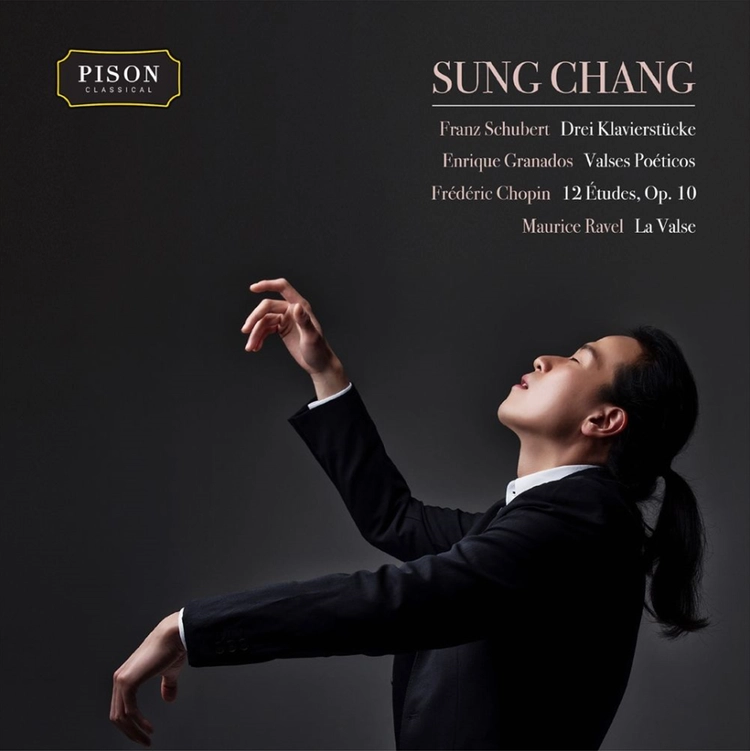
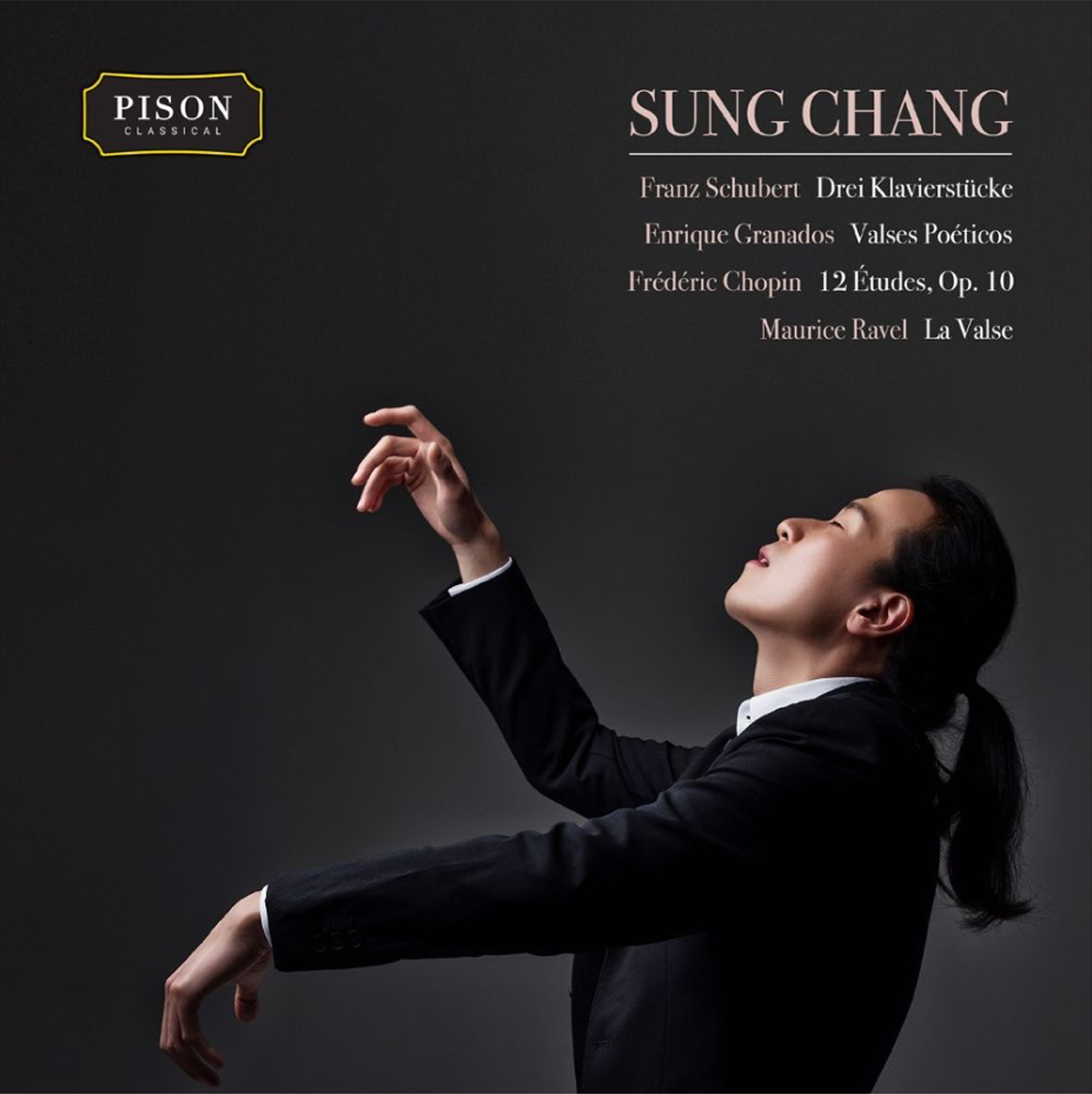
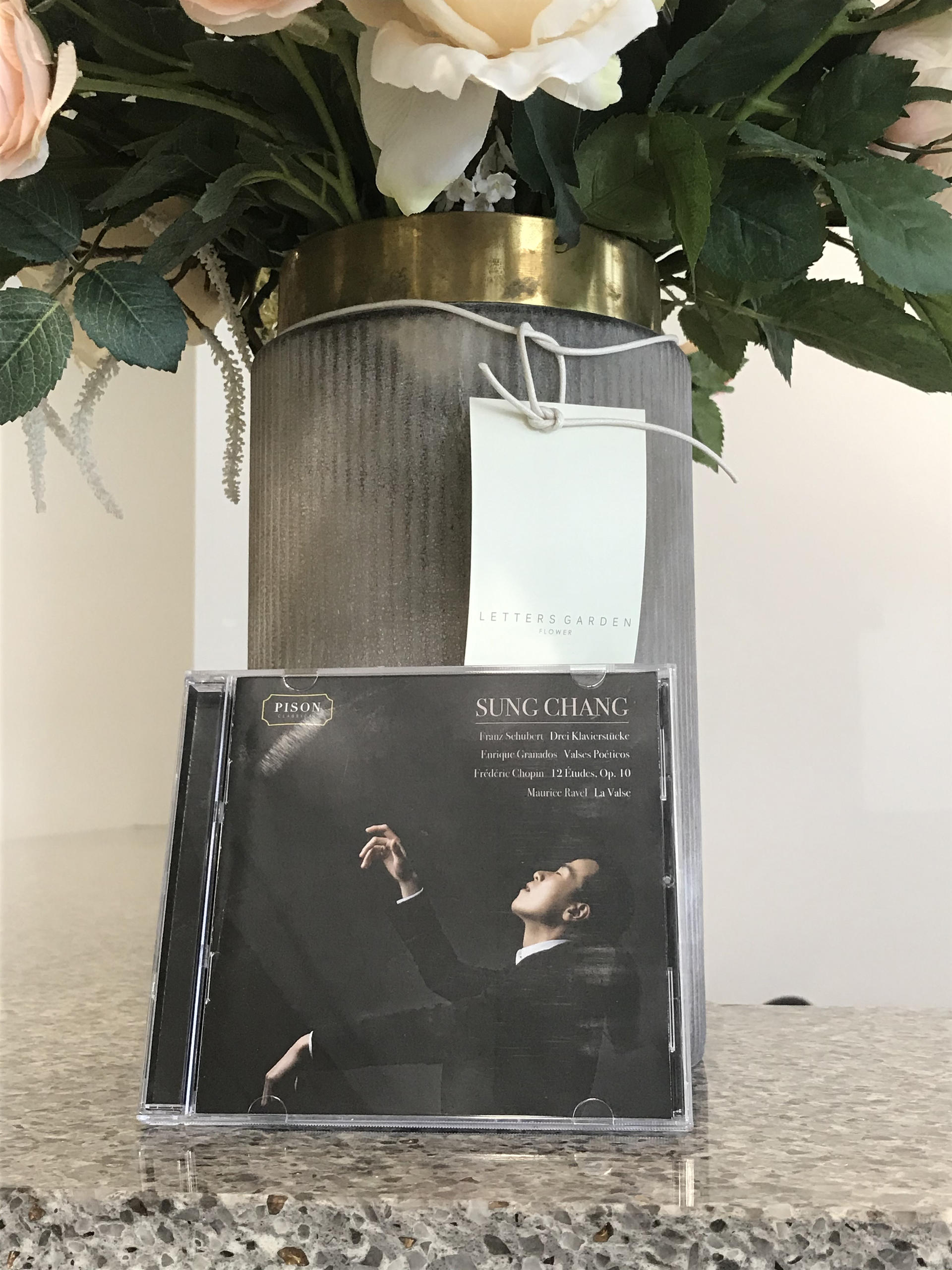
피아니스트 장성 CD 음반
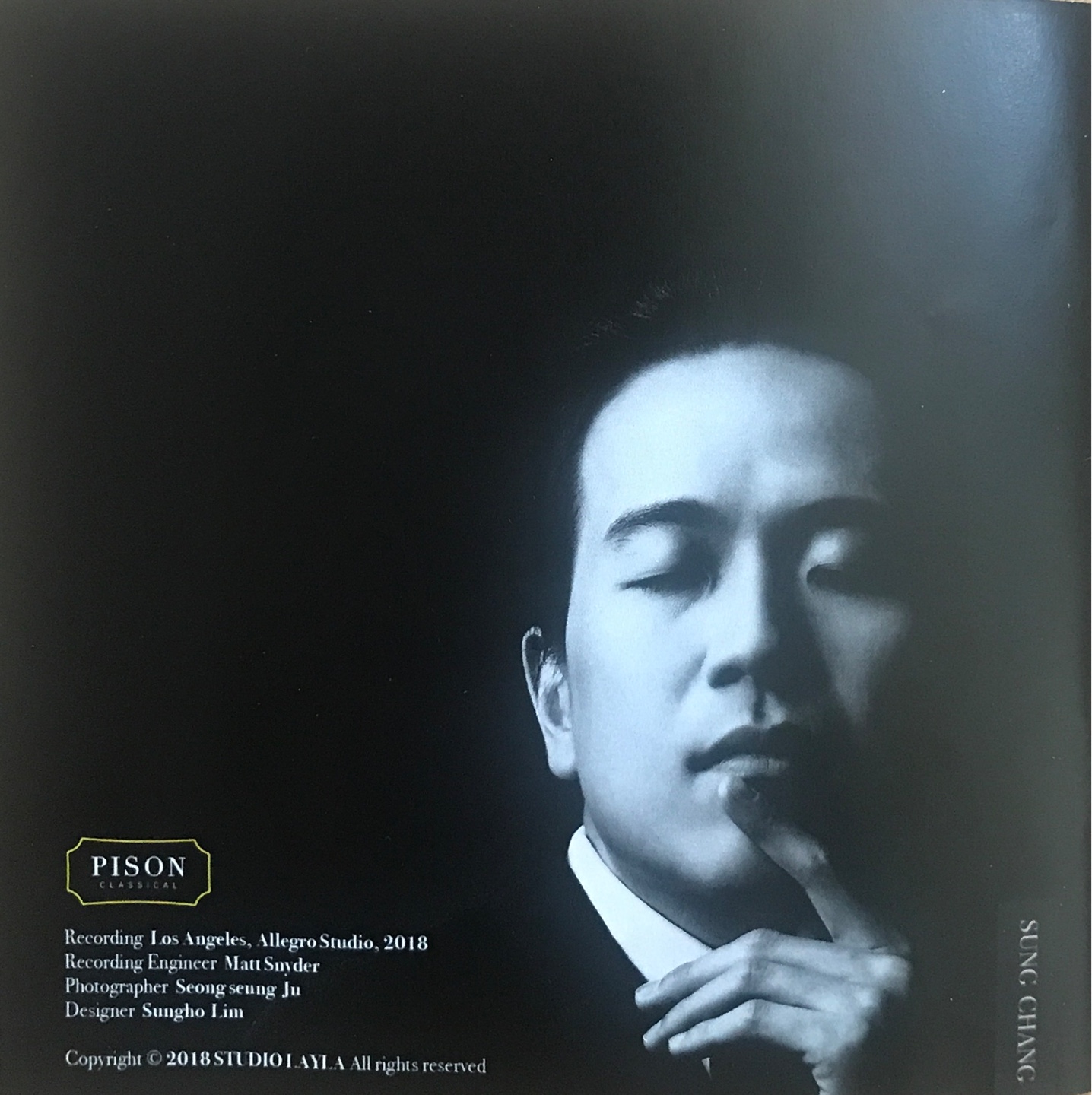
유튜브 Traum Piano 피아니스트 장성 소장용 CD
듣는이의 영혼을 깊이 울려주는
진정한 예술로의 안내자
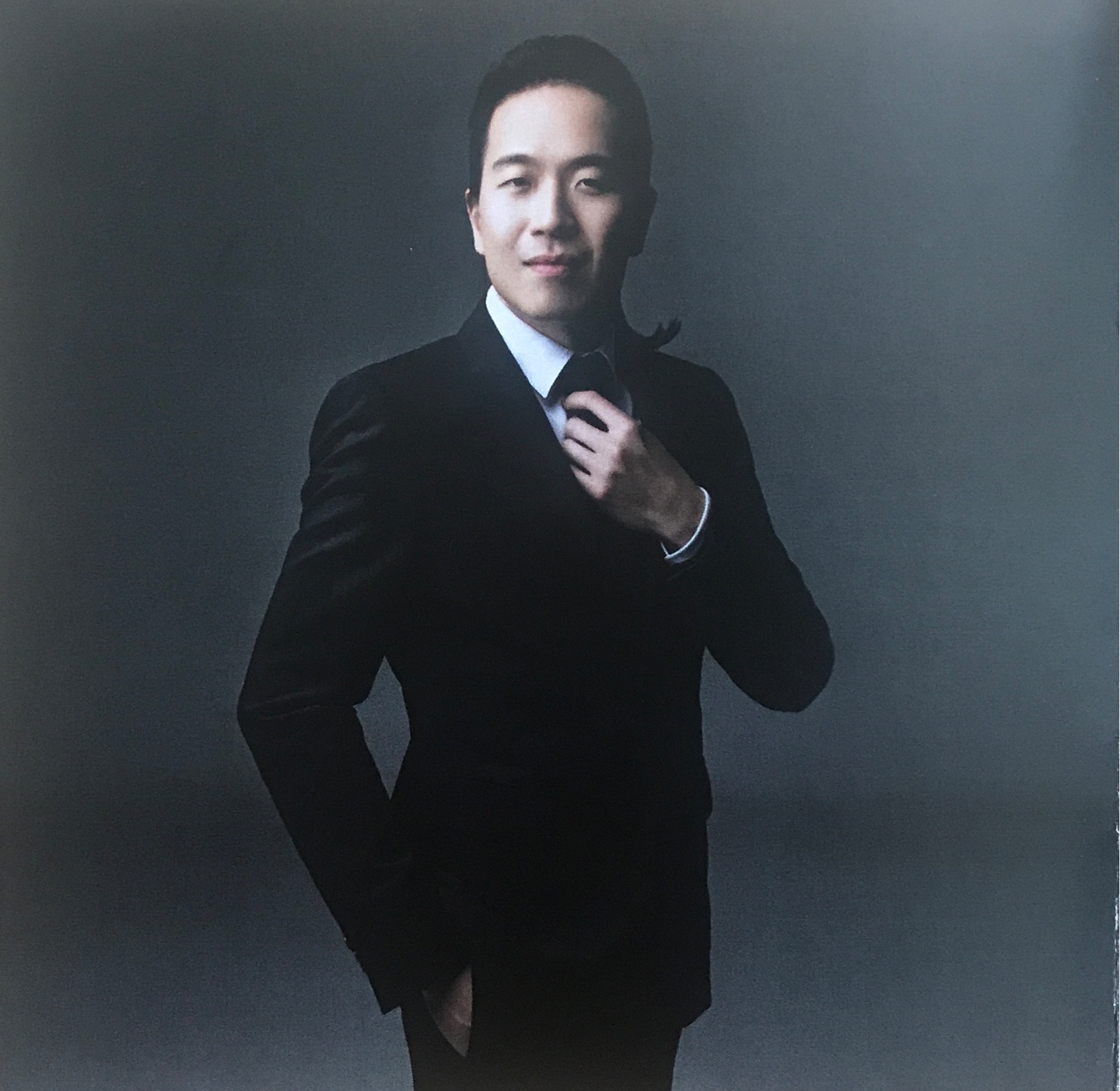
피아니스트 장성SUNG CHANG!
이 음반을 통해
진실된 피아니즘의
가치와 만나게 될 것입니다.
장성 SUNG CHANG
----------------------------
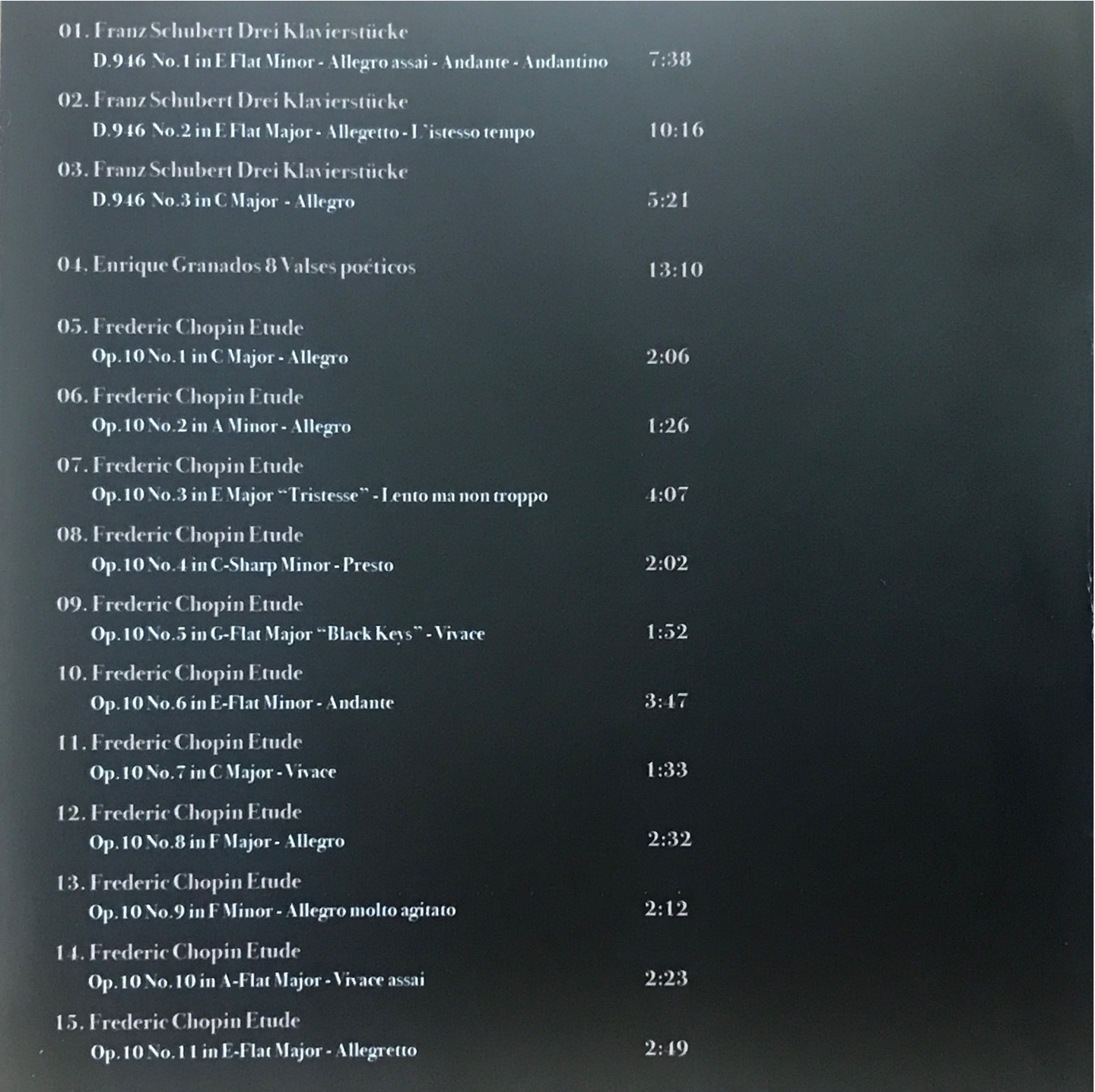
Franz Schubert : Drei Klavierstücke
Enrique Granados : Valses Poéticos
Frédéric Chopin : 12 Études, Op. 10
Maurice Ravel : La Valse
* 한정수량이므로 조기품절될 수 있습니다.
 간편결제 가능
택배 · 기본 4,000원
30,000원 이상 구매 시 무료배송
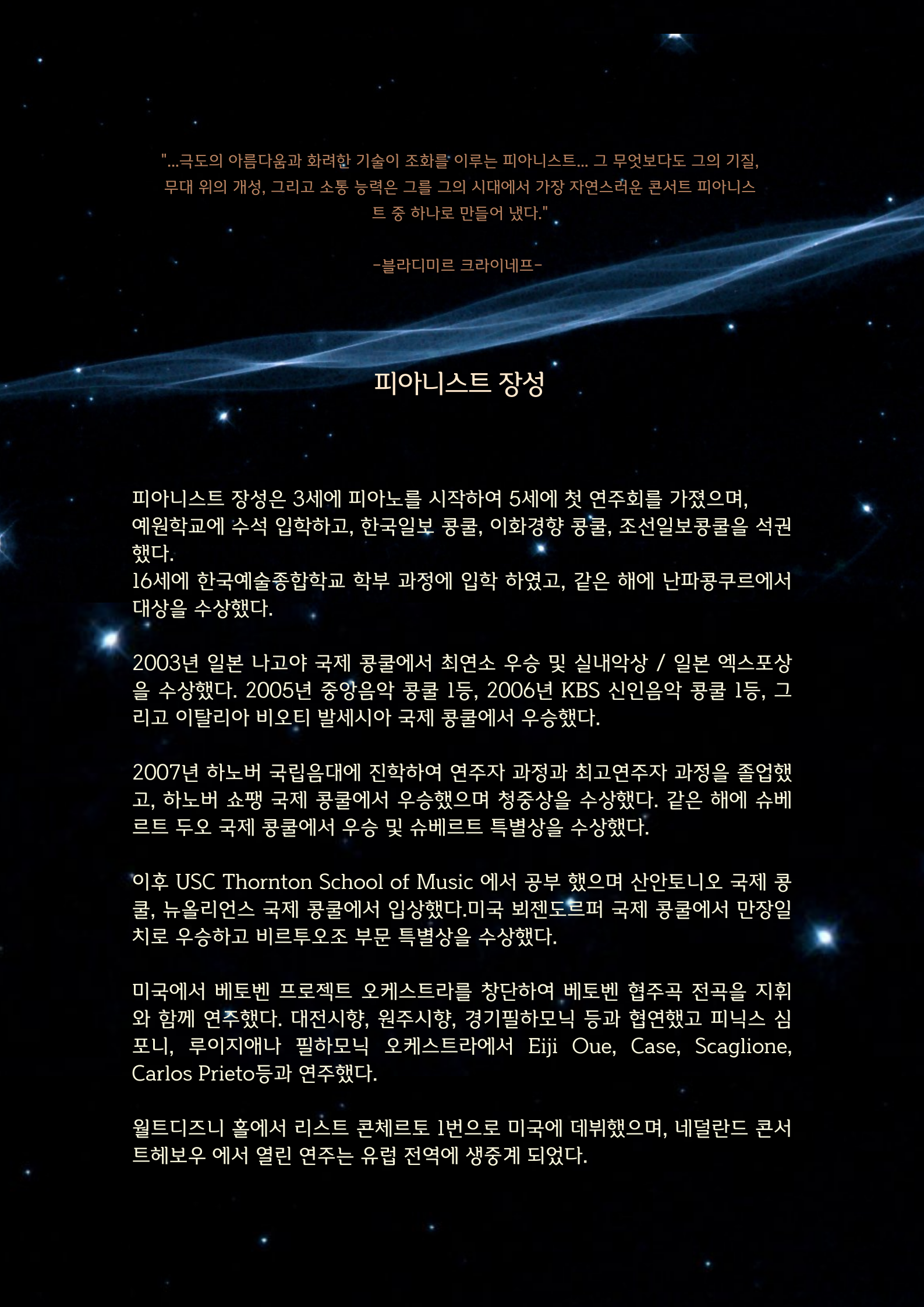
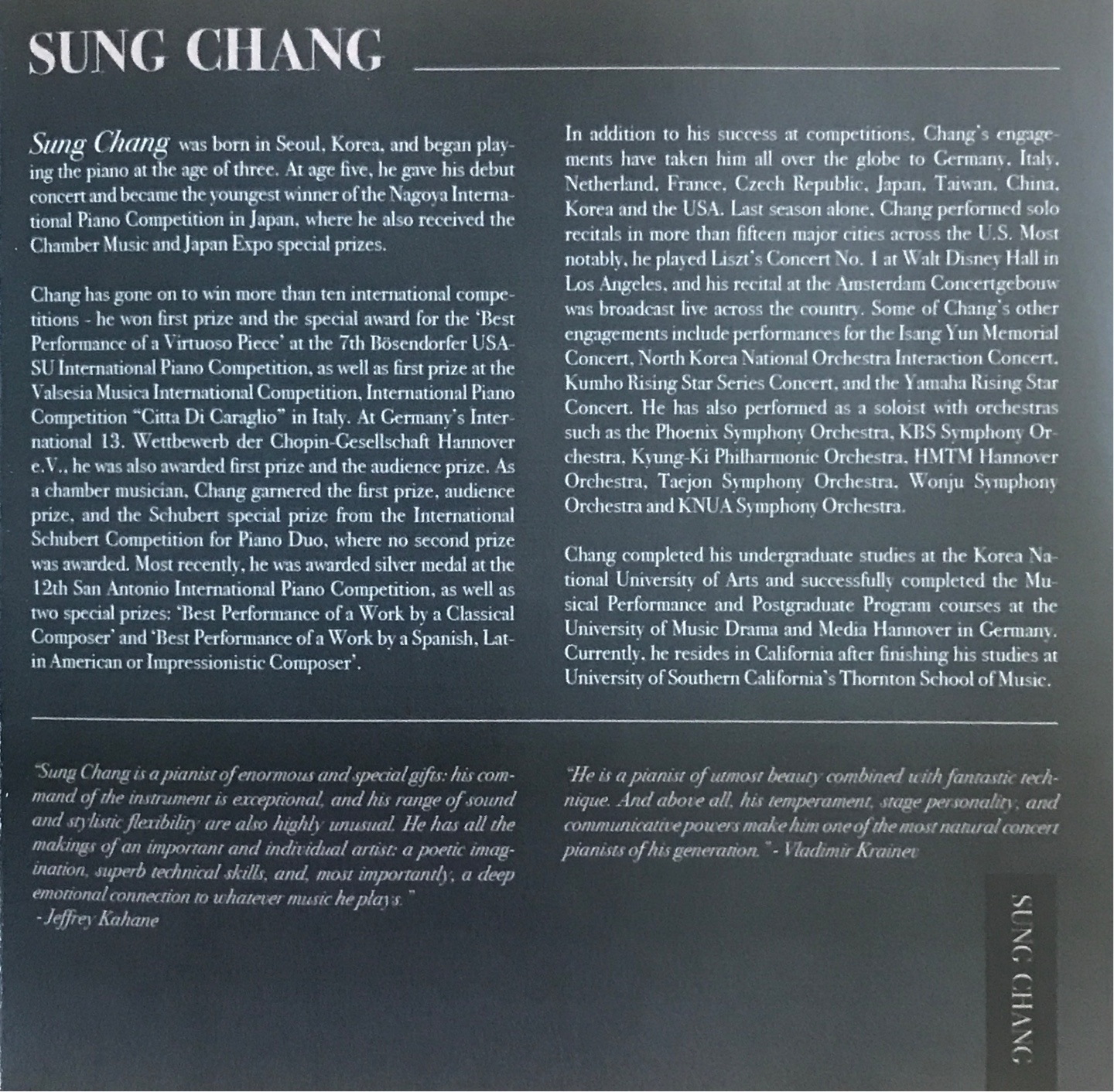
장성 피아니스트
----
16세, 한예종 최연소 입학
하노버 국립음대를 졸업
2009년 제25회 비오티 발세시아 국제 음악 콩쿠르 피아노 부문 우승
2015년 제7회 뵈젠도르퍼 국제 콩쿠르 우승
2011년 제13회 독일 하노버 쇼팽 국제 콩쿠르 우승
유튜브채널 Traumpiano 17만명 구독자 보유


Franz Schubert: Drei Klavierstücke, D. 946
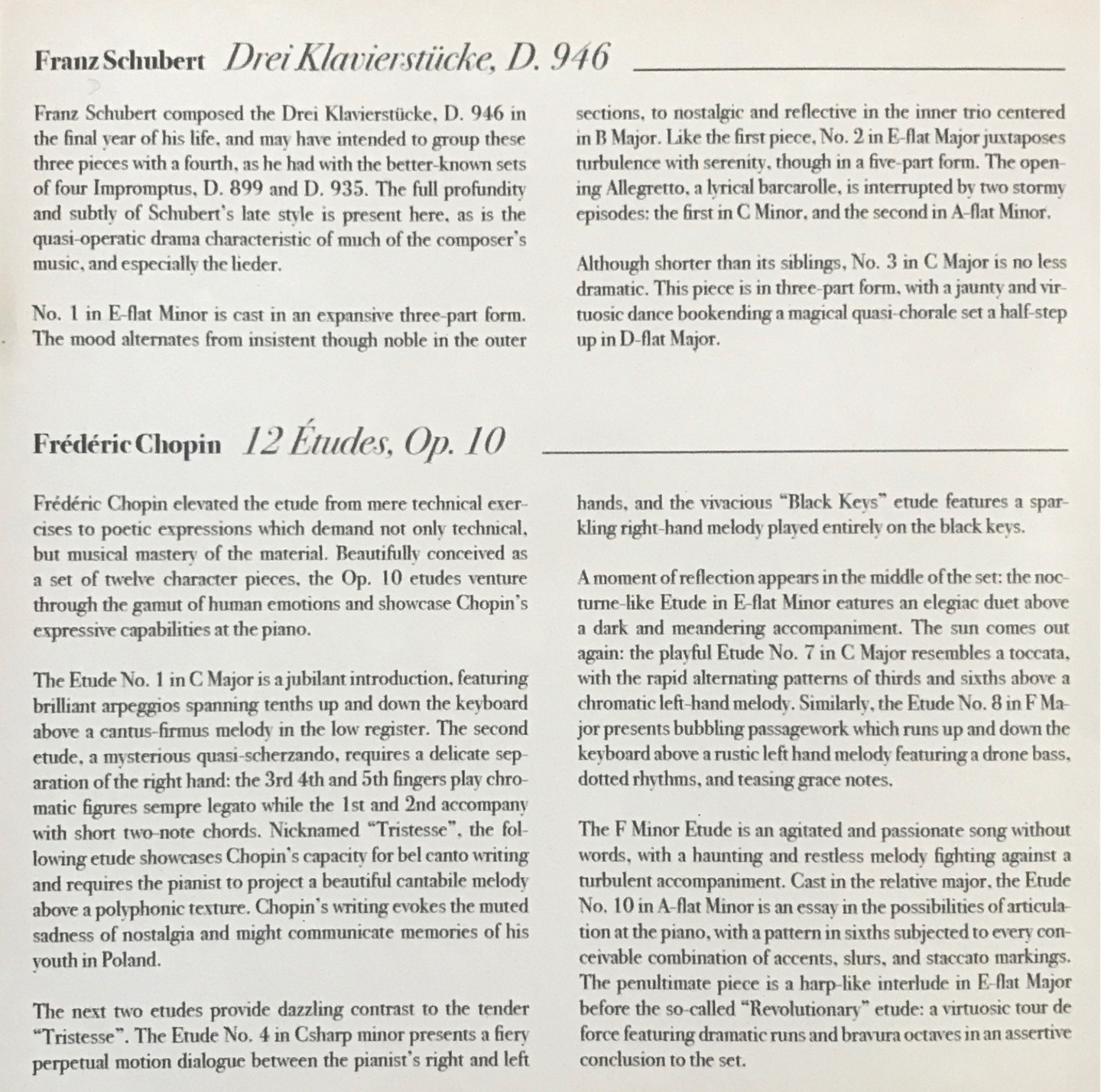
Franz Schubert composed the Drei Klavierstücke, D. 946 in the final year of his life, and may have intended to group these three pieces with a fourth, as he had with the better-known sets of four Impromptus, D. 899 and D. 935. The full profundity and subtly of Schubert's late style is present here, as is the quasi-operatic drama characteristic of much of the composer's music, and especially the lieder. No. 1 in E-flat Minor is cast in an expansive three-part form. The mood alternates from insistent though noble in the outer sections, to nostalgic and reflective in the inner trio centered in B Major. Like the first piece, No. 2 in E-flat Major juxtaposes turbulence with serenity, though in a five-part form. The opening Allegretto, a lyrical barcarolle, is interrupted by two stormy episodes: the first in C Minor, and the second in A-flat Minor. Although shorter than its siblings, No. 3 in C Major is no less dramatic. This piece is in three-part form, with a jaunty and virtuosic dance bookending a magical quasi-chorale set a half-step up in D-flat Major.
Frédéric Chopin: 12 Études, Op. 10
Frédéric Chopin elevated the etude from mere technical exercises to poetic expressions which demand not only technical, but musical mastery of the material. Beautifully conceived as a set of twelve character pieces, the Op. 10 etudes venture through the gamut of human emotions and showcase Chopin's expressive capabilities at the piano. The Etude No. 1 in C Major is a jubilant introduction, featuring brilliant arpeggios spanning tenths up and down the keyboard above a cantus-firmus melody in the low register. The second etude, a mysterious quasi-scherzando, requires a delicate separation of the right hand: the 3rd 4th and 5th fingers play chromatic figures sempre legato while the 1st and 2nd accompany with short two-note chords. Nicknamed “Tristesse”, the following etude showcases Chopin's capacity for bel canto writing and requires the pianist to project a beautiful cantabile melody above a polyphonic texture. Chopin's writing evokes the muted sadness of nostalgia and might communicate memories of his youth in Poland. The next two etudes provide dazzling contrast to the tender “Tristesse”. The Etude No. 4 in C- sharp minor presents a fiery perpetual motion dialogue between the pianist's right and left hands, and the vivacious “Black Keys” etude features a sparkling right-hand melody played entirely on the black keys. A moment of reflection appears in the middle of the set: the nocturne-like Etude in E-flat Minor features an elegiac duet above a dark and meandering accompaniment. The sun comes out again: the playful Etude No. 7 in C Major resembles a toccata, with the rapid alternating patterns of thirds and sixths above a chromatic left-hand melody. Similarly, the Etude No. 8 in F Major presents bubbling passagework which runs up and down the keyboard above a rustic left hand melody featuring a drone bass, dotted rhythms, and teasing grace notes. The F Minor Etude is an agitated and passionate song without words, with a haunting and restless melody fighting against a turbulent accompaniment. Cast in the relative major, the Etude No. 10 in A-flat Minor is an essay in the possibilities of articulation at the piano, with a pattern in sixths subjected to every conceivable combination of accents, slurs, and staccato markings. The penultimate piece is a harp-like interlude in E-flat Major before the so-called “Revolutionary” etude: a virtuosic tour de force featuring dramatic runs and bravura octaves in an assertive conclusion to the set.
Enrique Granados: Valses Poéticos
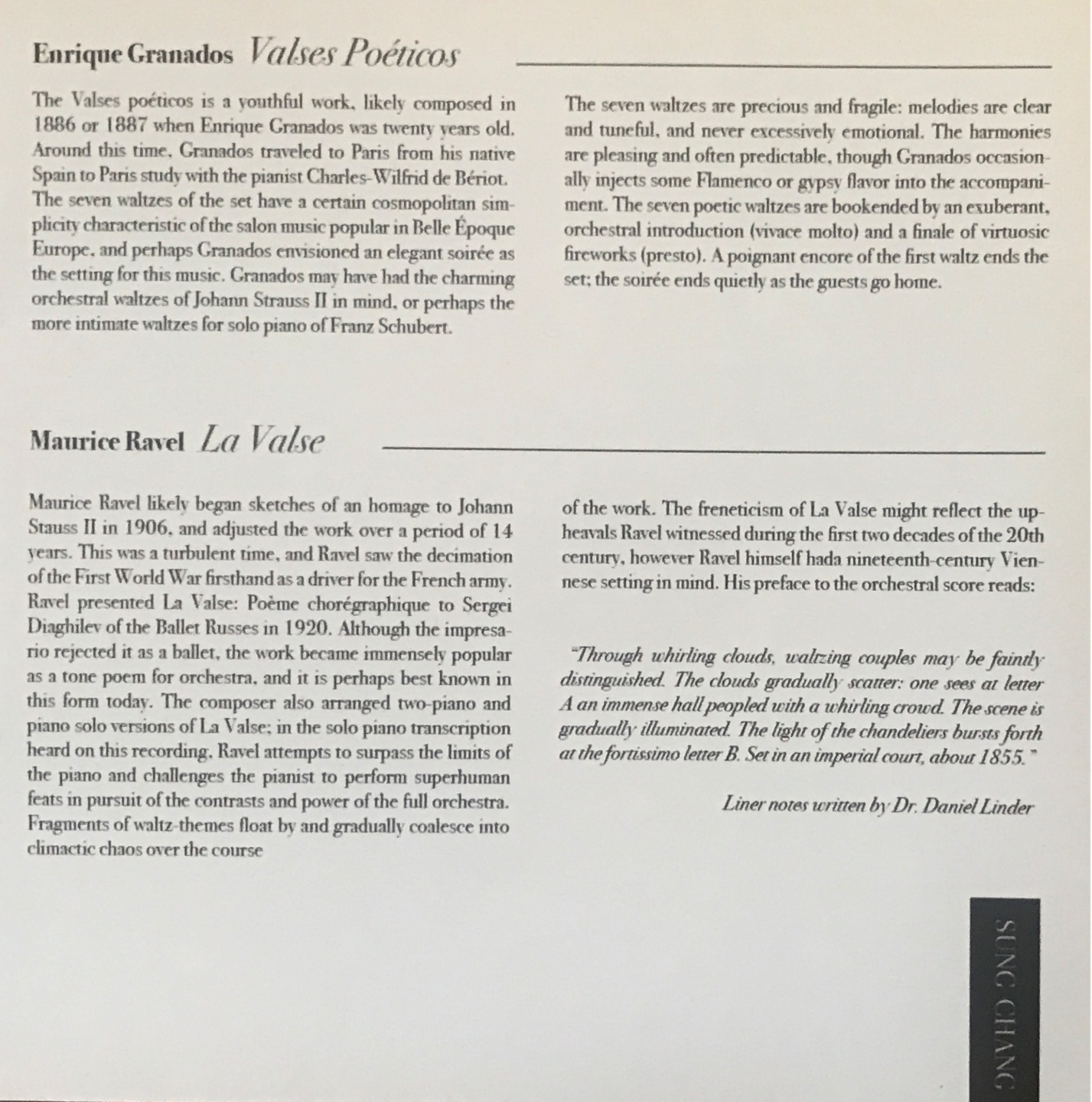
The Valses poéticos is a youthful work, likely composed in 1886 or 1887 when Enrique Granados was twenty years old. Around this time, Granados traveled to Paris from his native Spain to Paris study with the pianist Charles-Wilfrid de Bériot. The seven waltzes of the set have a certain cosmopolitan simplicity characteristic of the salon music popular in Belle Époque Europe, and perhaps Granados envisioned an elegant soirée as the setting for this music. Granados may have had the charming orchestral waltzes of Johann Strauss II in mind, or perhaps the more intimate waltzes for solo piano of Franz Schubert. The seven waltzes are precious and fragile: melodies are clear and tuneful, and never excessively emotional. The harmonies are pleasing and often predictable, though Granados occasionally injects some Flamenco or gypsy flavor into the accompaniment. The seven poetic waltzes are bookended by an exuberant, orchestral introduction (vivace molto) and a finale of virtuosic fireworks (presto). A poignant encore of the first waltz ends the set; the soirée ends quietly as the guests go home.
Maurice Ravel: La Valse
Maurice Ravel likely began sketches of an homage to Johann Stauss II in 1906, and adjusted the work over a period of 14 years. This was a turbulent time, and Ravel saw the decimation of the First World War firsthand as a driver for the French army. Ravel presented La Valse: Poème chorégraphique to Sergei Diaghilev of the Ballet Russes in 1920. Although the impresario rejected it as a ballet, the work became immensely popular as a tone poem for orchestra, and it is perhaps best known in this form today. The composer also arranged two-piano and piano solo versions of La Valse; in the solo piano transcription heard on this recording, Ravel attempts to surpass the limits of the piano and challenges the pianist to perform superhuman feats in pursuit of the contrasts and power of the full orchestra. Fragments of waltz-themes float by and gradually coalesce into climactic chaos over the course of the work. The freneticism of La Valse might reflect the upheavals Ravel witnessed during the first two decades of the 20th century, however Ravel himself had a nineteenth-century Viennese setting in mind. His preface to the orchestral score reads: “Through whirling clouds, waltzing couples may be faintly distinguished. The clouds gradually scatter: one sees at letter A an immense hall peopled with a whirling crowd. The scene is gradually illuminated. The light of the chandeliers bursts forth at the fortissimo letter B. Set in an imperial court, about 1855.” Liner notes written by Dr. Daniel Linder
| 발매사 | (주)비손콘텐츠 |
|---|---|
| 기획사 | (주)비손콘텐츠 |
🔽 장성 피아니스트 연주 감상하기
🔽 유튜브 트라움피아노 채널 영상
· 전체 수업기간의 1/3 경과 전 : 수강료의 2/3 환불
· 전체 수업기간의 1/2 경과 전 : 수강료의 1/2 환불
· 전체 수업기간의 1/2 경과 후 : 환불 불가
· 상품 사용으로 상품 가치가 현저히 감소한 경우
· 교재에 필기, 낙서, 오염 또는 훼손이 발생한 경우
· 포장 훼손 등으로 재판매가 어려운 경우
· 관련 법령에 따라 청약철회가 제한되는 경우
이미 발송된 교재·교구는 반품 가능 여부를 확인한 후 해당 상품 금액 및 배송비 등이 환불 금액에서 공제될 수 있으며, 온라인 또는 오프라인 강의가 시작된 경우에는 위 강의 환불 기준을 적용합니다.
카드결제 취소 등 실제 환불 완료 시점은 결제수단 및 카드사에 따라 달라질 수 있습니다.
장성 피아니스트
----
16세, 한예종 최연소 입학
하노버 국립음대를 졸업
2009년 제25회 비오티 발세시아 국제 음악 콩쿠르 피아노 부문 우승
2015년 제7회 뵈젠도르퍼 국제 콩쿠르 우승
2011년 제13회 독일 하노버 쇼팽 국제 콩쿠르 우승
유튜브채널 Traumpiano 17만명 구독자 보유
Franz Schubert: Drei Klavierstücke, D. 946
Franz Schubert composed the Drei Klavierstücke, D. 946 in the final year of his life, and may have intended to group these three pieces with a fourth, as he had with the better-known sets of four Impromptus, D. 899 and D. 935. The full profundity and subtly of Schubert's late style is present here, as is the quasi-operatic drama characteristic of much of the composer's music, and especially the lieder. No. 1 in E-flat Minor is cast in an expansive three-part form. The mood alternates from insistent though noble in the outer sections, to nostalgic and reflective in the inner trio centered in B Major. Like the first piece, No. 2 in E-flat Major juxtaposes turbulence with serenity, though in a five-part form. The opening Allegretto, a lyrical barcarolle, is interrupted by two stormy episodes: the first in C Minor, and the second in A-flat Minor. Although shorter than its siblings, No. 3 in C Major is no less dramatic. This piece is in three-part form, with a jaunty and virtuosic dance bookending a magical quasi-chorale set a half-step up in D-flat Major.
Frédéric Chopin: 12 Études, Op. 10
Frédéric Chopin elevated the etude from mere technical exercises to poetic expressions which demand not only technical, but musical mastery of the material. Beautifully conceived as a set of twelve character pieces, the Op. 10 etudes venture through the gamut of human emotions and showcase Chopin's expressive capabilities at the piano. The Etude No. 1 in C Major is a jubilant introduction, featuring brilliant arpeggios spanning tenths up and down the keyboard above a cantus-firmus melody in the low register. The second etude, a mysterious quasi-scherzando, requires a delicate separation of the right hand: the 3rd 4th and 5th fingers play chromatic figures sempre legato while the 1st and 2nd accompany with short two-note chords. Nicknamed “Tristesse”, the following etude showcases Chopin's capacity for bel canto writing and requires the pianist to project a beautiful cantabile melody above a polyphonic texture. Chopin's writing evokes the muted sadness of nostalgia and might communicate memories of his youth in Poland. The next two etudes provide dazzling contrast to the tender “Tristesse”. The Etude No. 4 in C- sharp minor presents a fiery perpetual motion dialogue between the pianist's right and left hands, and the vivacious “Black Keys” etude features a sparkling right-hand melody played entirely on the black keys. A moment of reflection appears in the middle of the set: the nocturne-like Etude in E-flat Minor features an elegiac duet above a dark and meandering accompaniment. The sun comes out again: the playful Etude No. 7 in C Major resembles a toccata, with the rapid alternating patterns of thirds and sixths above a chromatic left-hand melody. Similarly, the Etude No. 8 in F Major presents bubbling passagework which runs up and down the keyboard above a rustic left hand melody featuring a drone bass, dotted rhythms, and teasing grace notes. The F Minor Etude is an agitated and passionate song without words, with a haunting and restless melody fighting against a turbulent accompaniment. Cast in the relative major, the Etude No. 10 in A-flat Minor is an essay in the possibilities of articulation at the piano, with a pattern in sixths subjected to every conceivable combination of accents, slurs, and staccato markings. The penultimate piece is a harp-like interlude in E-flat Major before the so-called “Revolutionary” etude: a virtuosic tour de force featuring dramatic runs and bravura octaves in an assertive conclusion to the set.
Enrique Granados: Valses Poéticos
The Valses poéticos is a youthful work, likely composed in 1886 or 1887 when Enrique Granados was twenty years old. Around this time, Granados traveled to Paris from his native Spain to Paris study with the pianist Charles-Wilfrid de Bériot. The seven waltzes of the set have a certain cosmopolitan simplicity characteristic of the salon music popular in Belle Époque Europe, and perhaps Granados envisioned an elegant soirée as the setting for this music. Granados may have had the charming orchestral waltzes of Johann Strauss II in mind, or perhaps the more intimate waltzes for solo piano of Franz Schubert. The seven waltzes are precious and fragile: melodies are clear and tuneful, and never excessively emotional. The harmonies are pleasing and often predictable, though Granados occasionally injects some Flamenco or gypsy flavor into the accompaniment. The seven poetic waltzes are bookended by an exuberant, orchestral introduction (vivace molto) and a finale of virtuosic fireworks (presto). A poignant encore of the first waltz ends the set; the soirée ends quietly as the guests go home.
Maurice Ravel: La Valse
Maurice Ravel likely began sketches of an homage to Johann Stauss II in 1906, and adjusted the work over a period of 14 years. This was a turbulent time, and Ravel saw the decimation of the First World War firsthand as a driver for the French army. Ravel presented La Valse: Poème chorégraphique to Sergei Diaghilev of the Ballet Russes in 1920. Although the impresario rejected it as a ballet, the work became immensely popular as a tone poem for orchestra, and it is perhaps best known in this form today. The composer also arranged two-piano and piano solo versions of La Valse; in the solo piano transcription heard on this recording, Ravel attempts to surpass the limits of the piano and challenges the pianist to perform superhuman feats in pursuit of the contrasts and power of the full orchestra. Fragments of waltz-themes float by and gradually coalesce into climactic chaos over the course of the work. The freneticism of La Valse might reflect the upheavals Ravel witnessed during the first two decades of the 20th century, however Ravel himself had a nineteenth-century Viennese setting in mind. His preface to the orchestral score reads: “Through whirling clouds, waltzing couples may be faintly distinguished. The clouds gradually scatter: one sees at letter A an immense hall peopled with a whirling crowd. The scene is gradually illuminated. The light of the chandeliers bursts forth at the fortissimo letter B. Set in an imperial court, about 1855.” Liner notes written by Dr. Daniel Linder
| 발매사 | (주)비손콘텐츠 |
|---|---|
| 기획사 | (주)비손콘텐츠 |
🔽 장성 피아니스트 연주 감상하기
🔽 유튜브 트라움피아노 채널 영상
· 전체 수업기간의 1/3 경과 전 : 수강료의 2/3 환불
· 전체 수업기간의 1/2 경과 전 : 수강료의 1/2 환불
· 전체 수업기간의 1/2 경과 후 : 환불 불가
· 상품 사용으로 상품 가치가 현저히 감소한 경우
· 교재에 필기, 낙서, 오염 또는 훼손이 발생한 경우
· 포장 훼손 등으로 재판매가 어려운 경우
· 관련 법령에 따라 청약철회가 제한되는 경우
이미 발송된 교재·교구는 반품 가능 여부를 확인한 후 해당 상품 금액 및 배송비 등이 환불 금액에서 공제될 수 있으며, 온라인 또는 오프라인 강의가 시작된 경우에는 위 강의 환불 기준을 적용합니다.
카드결제 취소 등 실제 환불 완료 시점은 결제수단 및 카드사에 따라 달라질 수 있습니다.
-
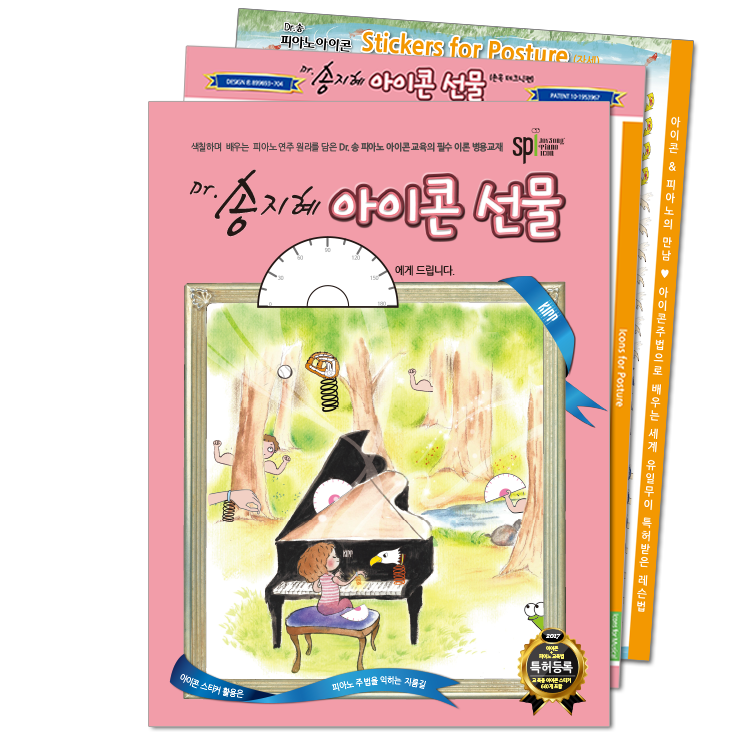
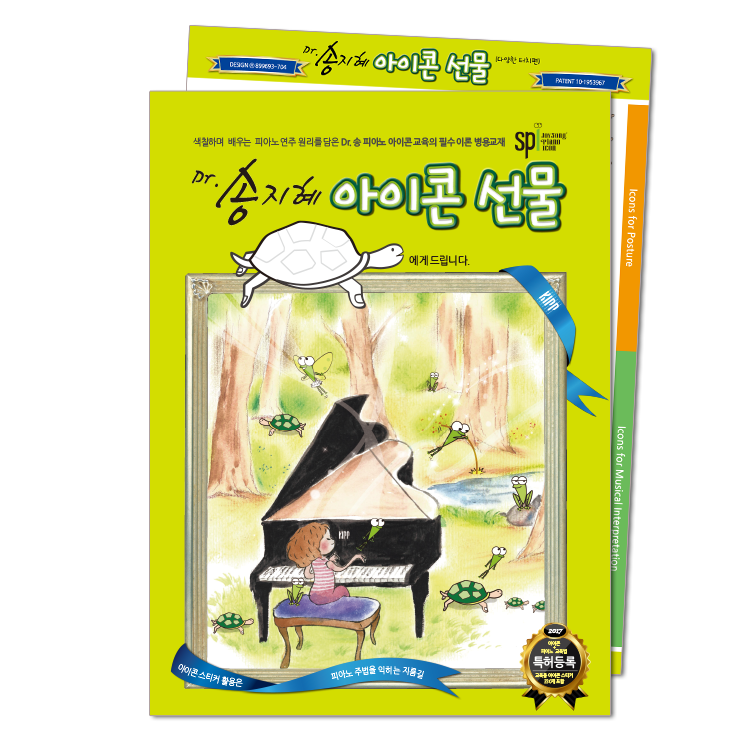
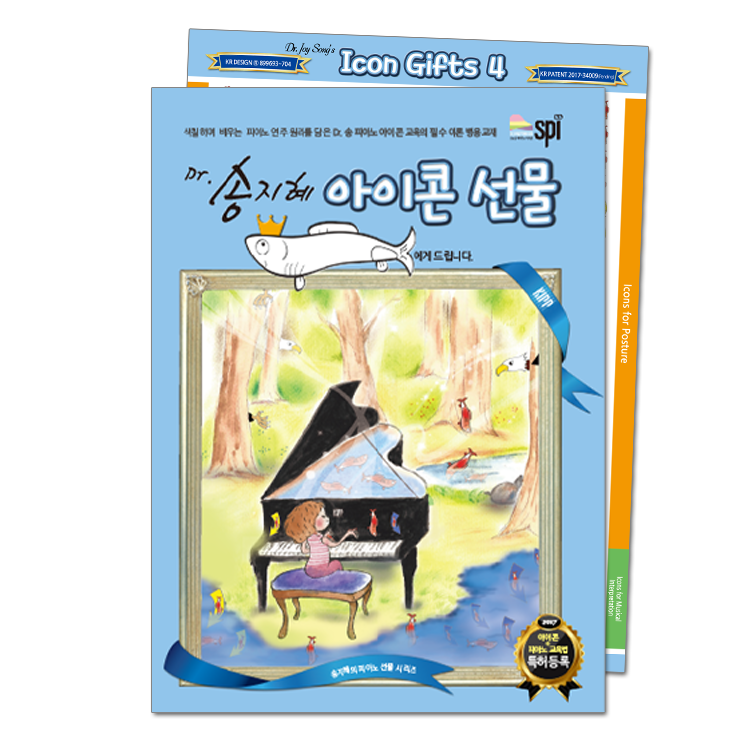
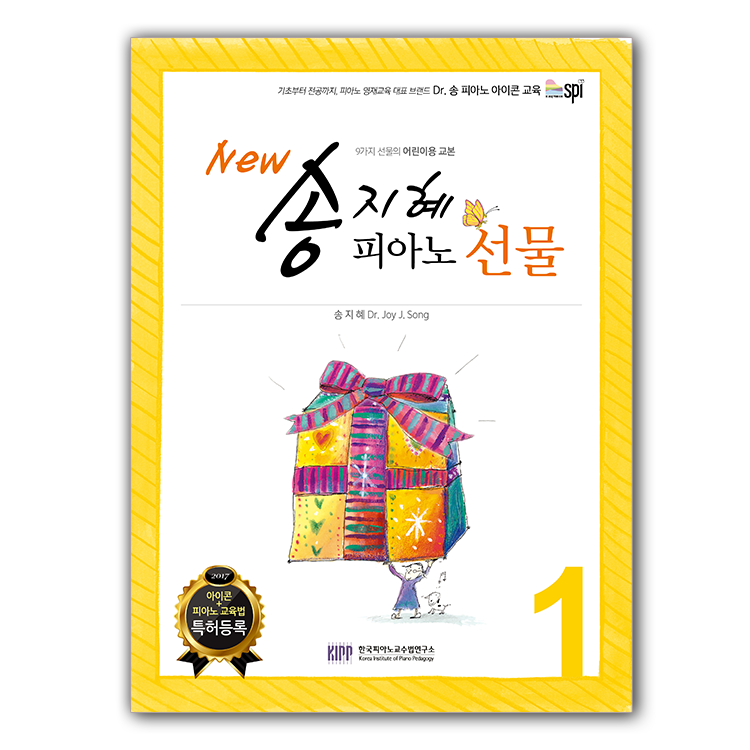
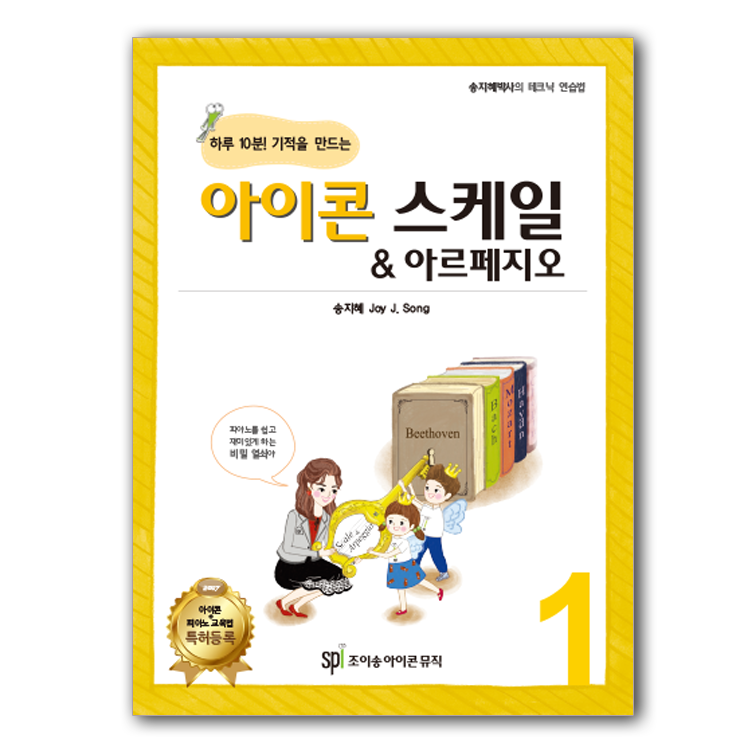
 송지혜 아이콘 선물 (기본 자세편) (스티커 포함) * 아이콘 선물 1권에 아이콘 선물 1권 스티커(1장)이 포함되어 있습니다. [공지] 이전에 안내드린 바와 같이, 인쇄비용 상승으로 인해 재고소진과 동시에 8월 23일부로 교재 가격이 인상되었습니다.판매가 비공개
-
-
-
-
-
-

-

-

-

 Dr. Song 독수리 인형판매가 비공개
-
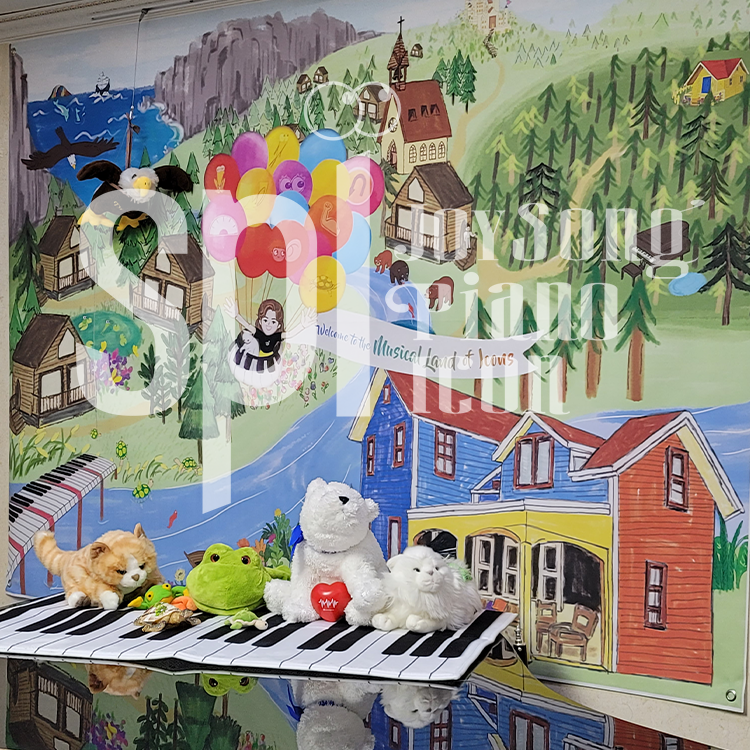 아이콘 음악나라 ♡ 테크닉 로드맵 현수막 * 주문제작 상품이므로, 주문 후에는 환불이 불가합니다. * 이미지에 보이는 중앙의 하얀 SPi글씨는 제작시 인쇄되지 않습니다.판매가 비공개
-

-
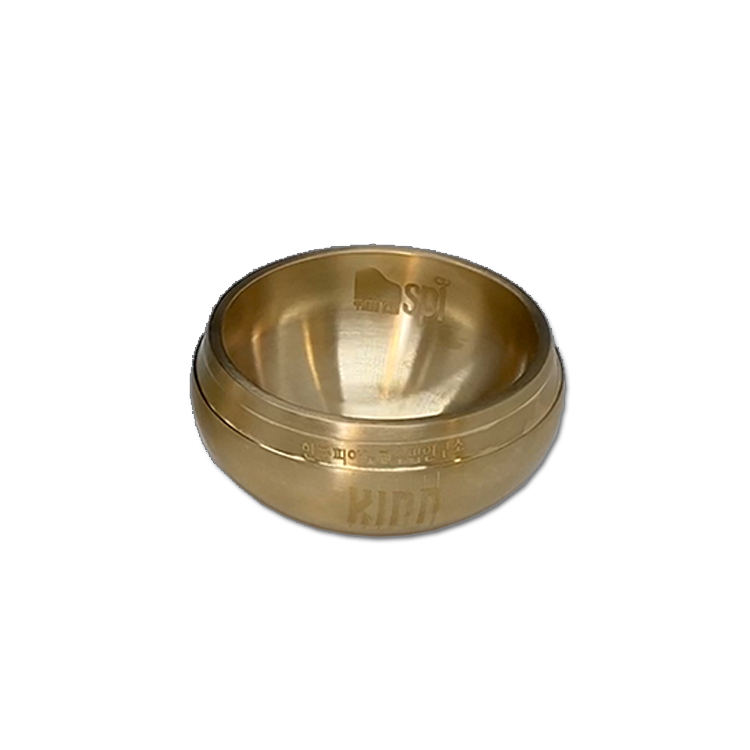 가벼운 놋그릇(230g) 가벼운 놋그릇 무거운 놋그릇 무게 230g 400g 사용권장연령 5~9세 8세~성인 * 놋그릇은 수작업으로 만들어지기 때문에 제시해드린 무게에서 ± 오차가 있을 수 있습니다. * 무게와 크기 인해 가벼운 놋그릇과 무거운 놋그릇은 가격차이가 납니다.판매가 비공개
-
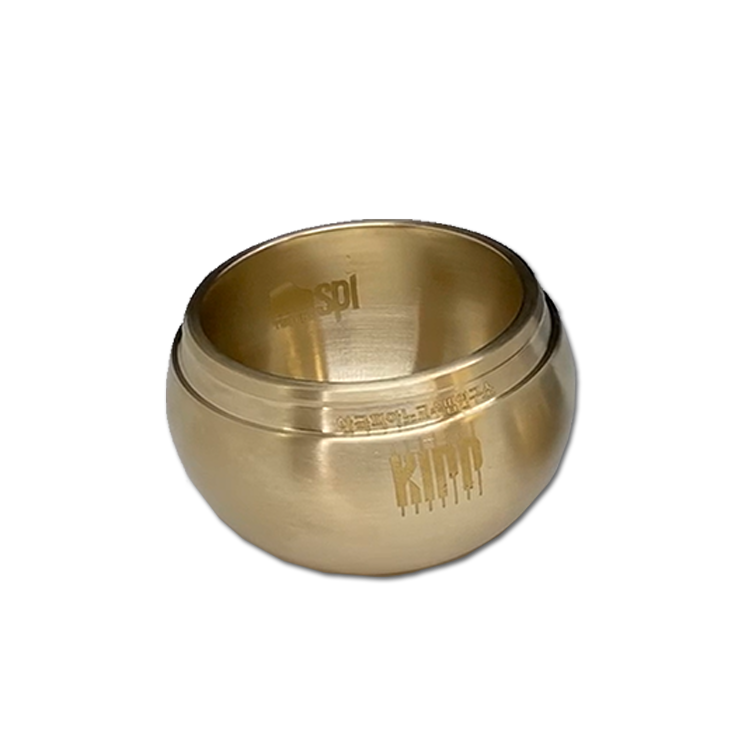 무거운 놋그릇(400g) 가벼운 놋그릇 무거운 놋그릇 무게 230g 400g 사용권장연령 5~9세 8세~성인 * 놋그릇은 수작업으로 만들어지기 때문에 제시해드린 무게에서 ± 오차가 있을 수 있습니다. * 무게와 크기 인해 가벼운 놋그릇과 무거운 놋그릇은 가격차이가 납니다.판매가 비공개
-
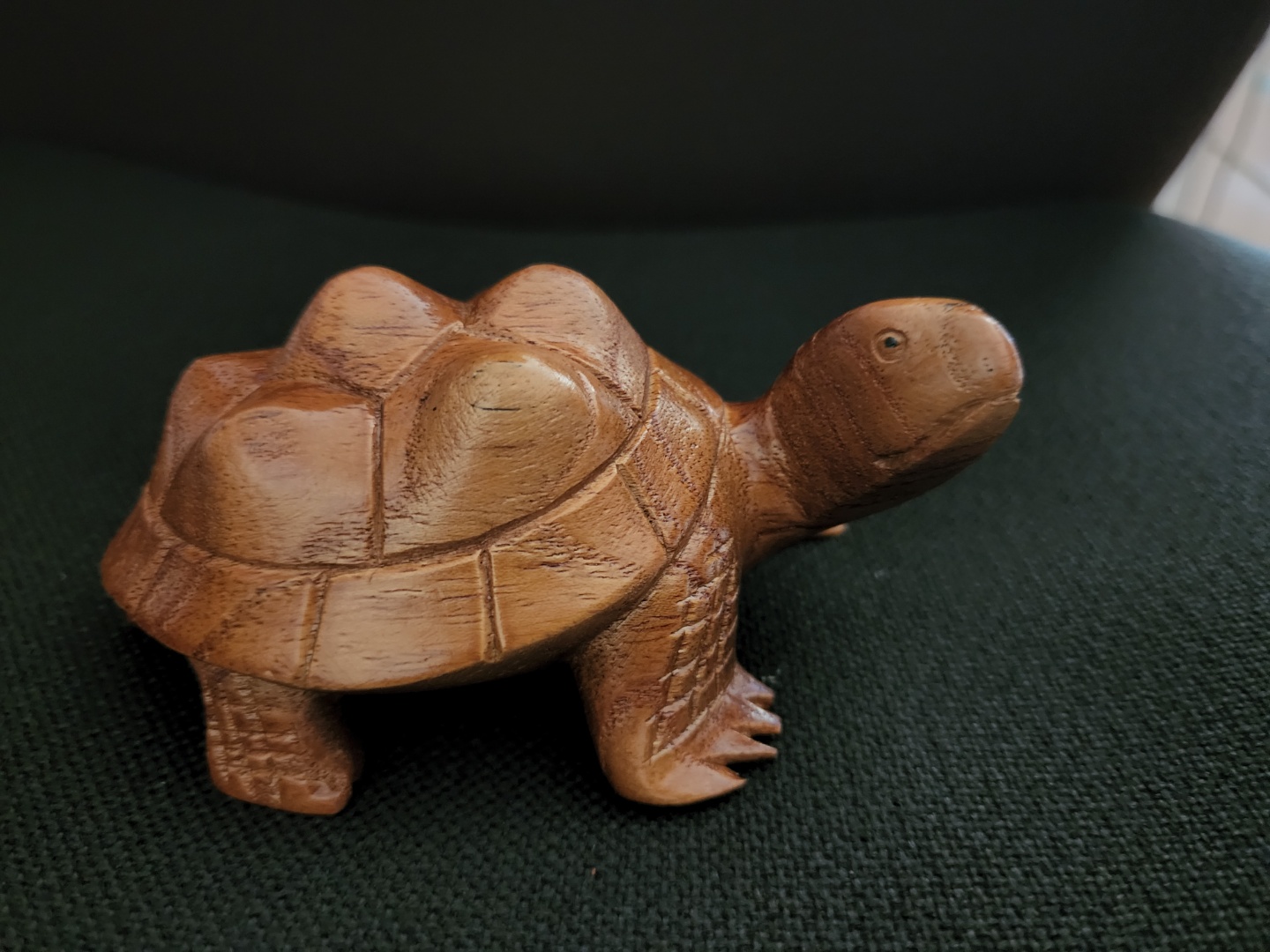
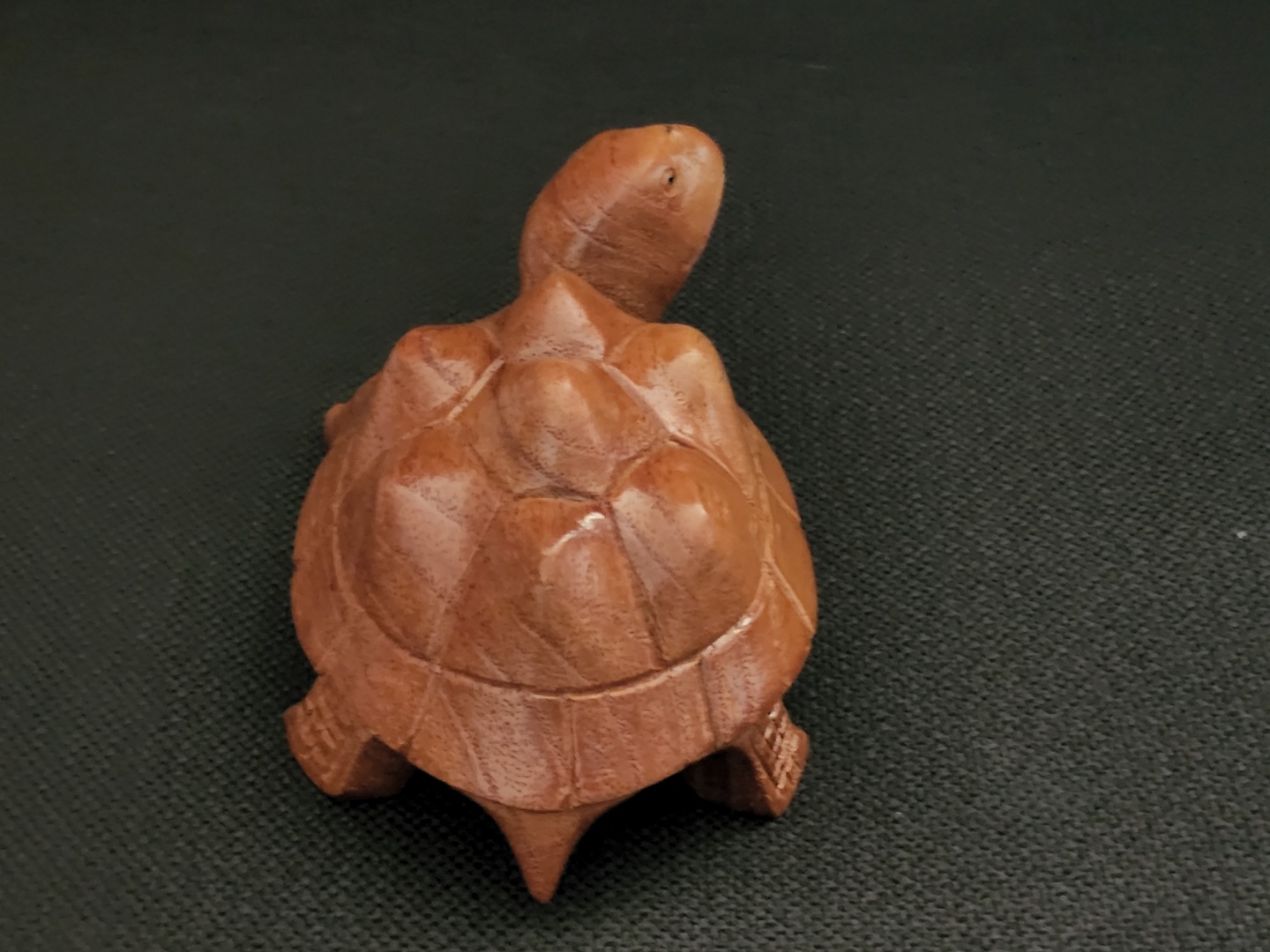 거북이 교구판매가 비공개
-
 [강의] SPi 전문레스너 자격증 과정(2급) / 아이콘 피아노 속성 테크닉 COURSE GUIDE 교육 구성 본 과정은 온라인 강의와 송지혜 박사의 실시간 강의로 진행됩니다. 온라인 강의 8주 과정 · 60일 수강 + 실시간 강의 2회 / 총 2시간 온라인 강의 결제 후 바로 수강 가능 홈페이지 > 강의실 ※ 무통장입금의 경우 입금 확인 후 강의를 수강하실 수 있습니다. 본 과정은 8주 과정이며, 교재·교구 배송기간을 고려하여 온라인 강의는 결제일로부터 총 60일간 수강하실 수 있습니다. 강의 신청 후 수강생 전용 BAND와 카카오톡 단체방에 초대해 드립니다. BAND를 통해 온라인 강의에 필요한 과제를 안내해 드립니다. 실시간 강의 실시간 강의 진행 조건 수강생 3명 이상 수강생이 3명 이상 모이면 실시간 강의를 진행합니다. 카카오톡 단체방에서 참여 가능한 날짜를 확인한 후 실시간 강의 일정을 조율합니다.$ ¥ ¥ 1,580,000 원 ₫ € KRW
-
 [강의] SPi 전문레스너 자격증 과정(1급) / 아이콘 콩쿨레퍼토리 과정 COURSE GUIDE 교육 구성 본 과정은 온라인 강의와 송지혜 박사의 실시간 개인레슨으로 진행됩니다. 온라인 강의 8주 수강 + 실시간 개인레슨 2회 및 청강 온라인 강의 결제 후 바로 수강 가능 홈페이지 > 강의실 결제일로부터 8주 동안 온라인 강의를 수강하실 수 있습니다. 강의 신청 후 수강생 전용 BAND와 카카오톡 단체방에 초대해 드립니다. 수강 기간 연장 시 추가 비용이 발생할 수 있으므로 기간 내 수강해 주세요. 실시간 개인레슨 송지혜 박사 Zoom 실시간 지도 개인레슨 총 2회 및 청강 개인레슨은 1회당 약 15~20분 동안 진행됩니다. 다른 수강생의 실시간 개인레슨도 함께 청강하실 수 있으며, 실시간 수업 시간은 인원에 따라 가감될 수 있습니다. 세부 일정은 신청자 확인 후 카카오톡 단체방을 통해 안내해 드립니다. 수강료 및 신청 안내 콩쿨·레퍼토리 과정 1,780,000원 본 과정은 SPi 정회원 전용 과정입니다. 정회원이 아닌 분은 유아·기초 과정과 속성테크닉 과정을 모두 이수하고, 2급 자격증 발급 및 정회원 승급 절차를 완료한 후 신청하실 수 있습니다.$ ¥ ¥ 1,780,000 원 ₫ € KRW
-
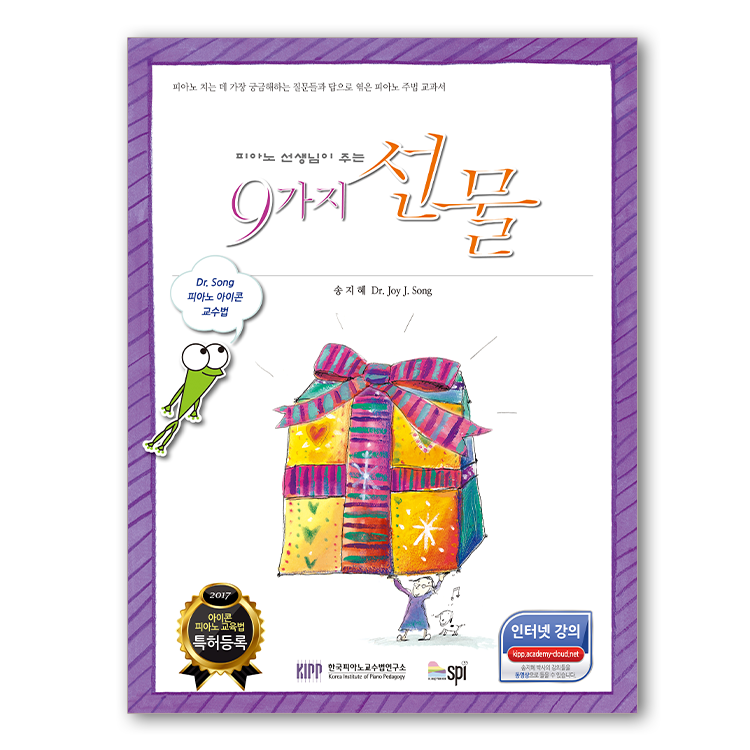 피아노 선생님이 주는 9가지 선물 (2019) * 2019년 개정판 9가지 선물에는 스티커가 포함되어 있지 않습니다. * 본 상품은 SPi 회원 쿠폰이 적용되지 않으며, SPi 인증회원이신 분들은 SPi 교재 코너에서 구입하시기 바랍니다. * 비회원 주문 가능한 상품입니다. * 책 표지의 인터넷 강의 링크 kipp.academy-cloud.net 는 현재 운영되지 않고 있으며, 9가지 선물 인터넷 강의는 pianoicon.com 에서 운영되고 있습니다.$ ¥ ¥ 25,000 원 ₫ € KRW
-
-
 아이 성격만 알아도 행복해진다 아이 성격만 알아도 행복해진다 : 행복한 아이를 만드는 코치 부모 되기 ** 해외에서 구매하실 경우 구매대행료가 추가됩니다.$ ¥ ¥ 22,000 원 ₫ € KRW
-
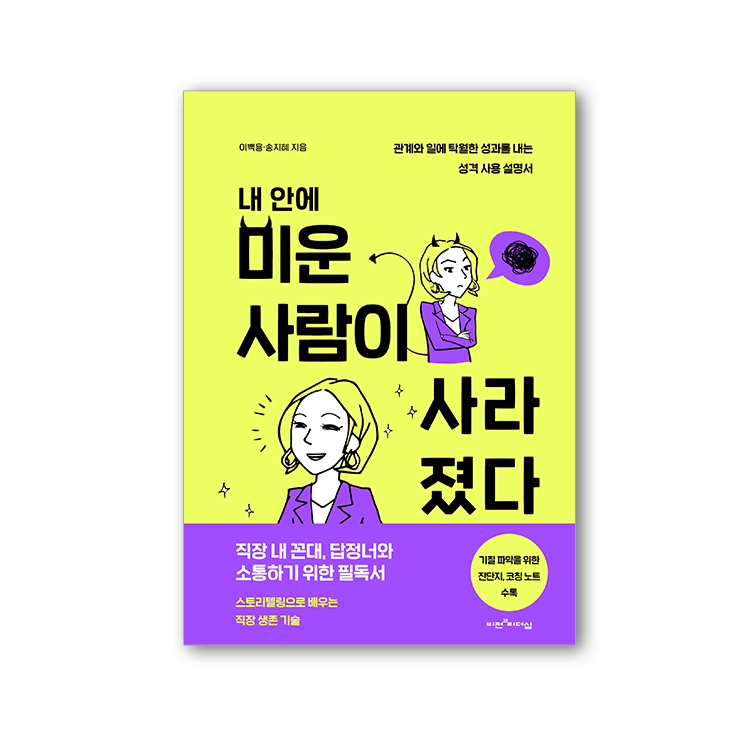 내 안에 미운 사람이 사라졌다 기질만 이해했을 뿐인데 출근이 즐거워졌다! 성과는 좋은데 동료들과는 불통 성격은 좋은데 성과는 전병 성과의 관계, 두 마리 토끼를 다 잡는 조직 만들기! ** 해외에서 구매하실 경우 구매대행료가 추가됩니다.$ ¥ ¥ 14,000 원 ₫ € KRW
-
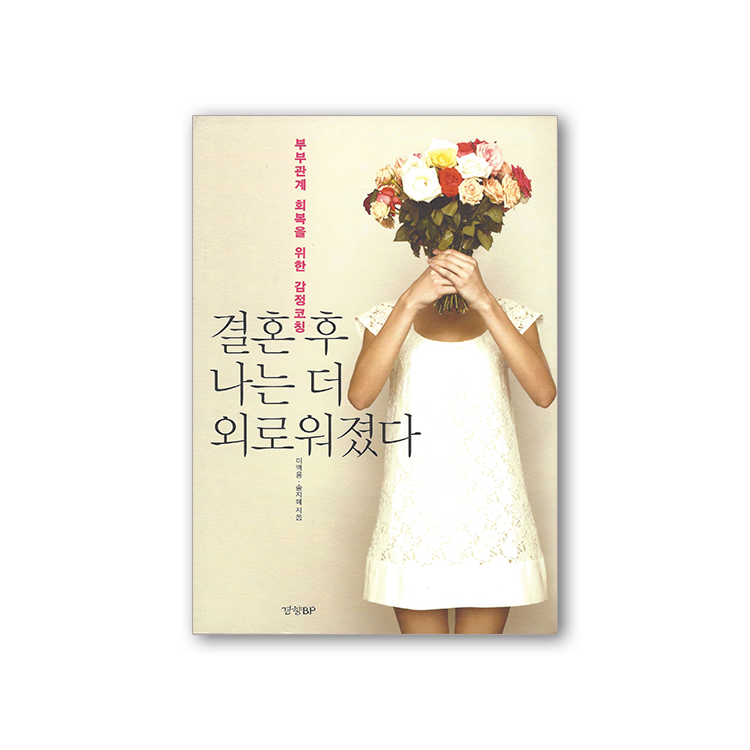 결혼 후 나는 더 외로워졌다 이백용 & 송지혜 부부의 심리학 저서! ** 해외에서 구매하실 경우 구매대행료가 추가됩니다.$ ¥ ¥ 12,870 원 ₫ € KRW $ ¥ ¥ 14,300 원 ₫ € KRW
-
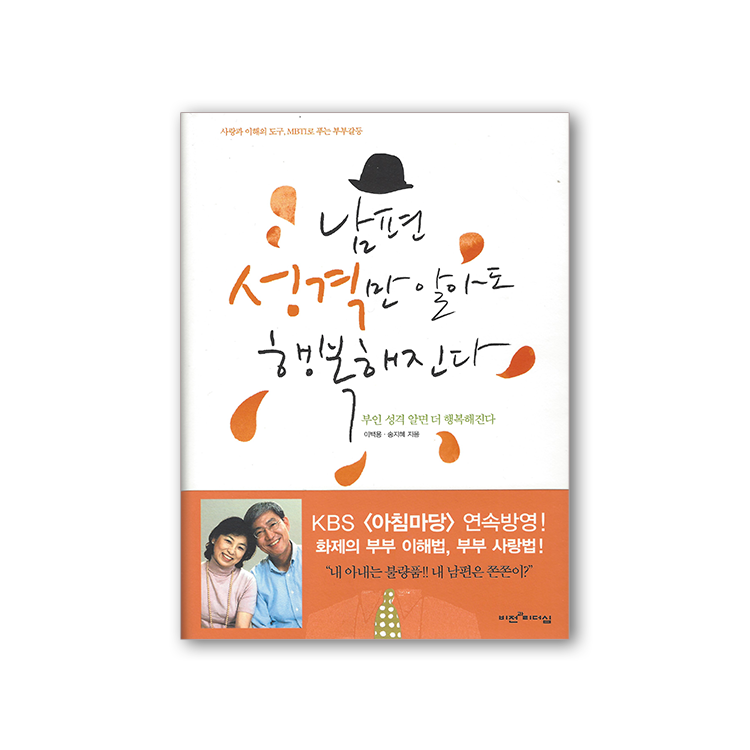 남편 성격만 알아도 행복해진다 남편 성격만 알아도 행복해진다 : 부인 성격 알면 더 행복해진다 ** 해외에서 구매하실 경우 구매대행료가 추가됩니다.$ ¥ ¥ 21,000 원 ₫ € KRW
-
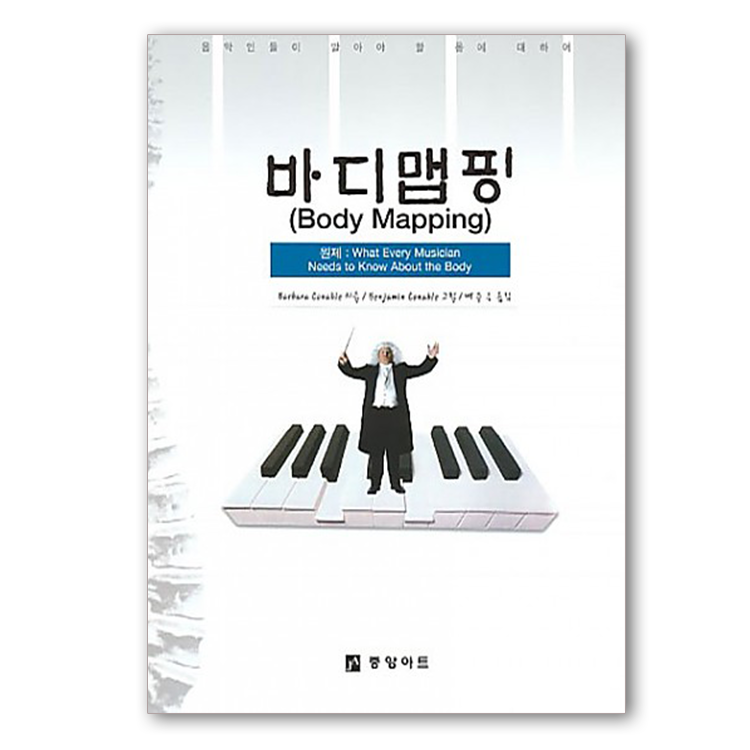 바디맵핑(Body Mapping) Barbara Conable:배주은 옮김 저ㅣ중앙아트 ** 해외에서 구매하실 경우 구매대행료가 추가됩니다.$ ¥ ¥ 15,000 원 ₫ € KRW
-
-
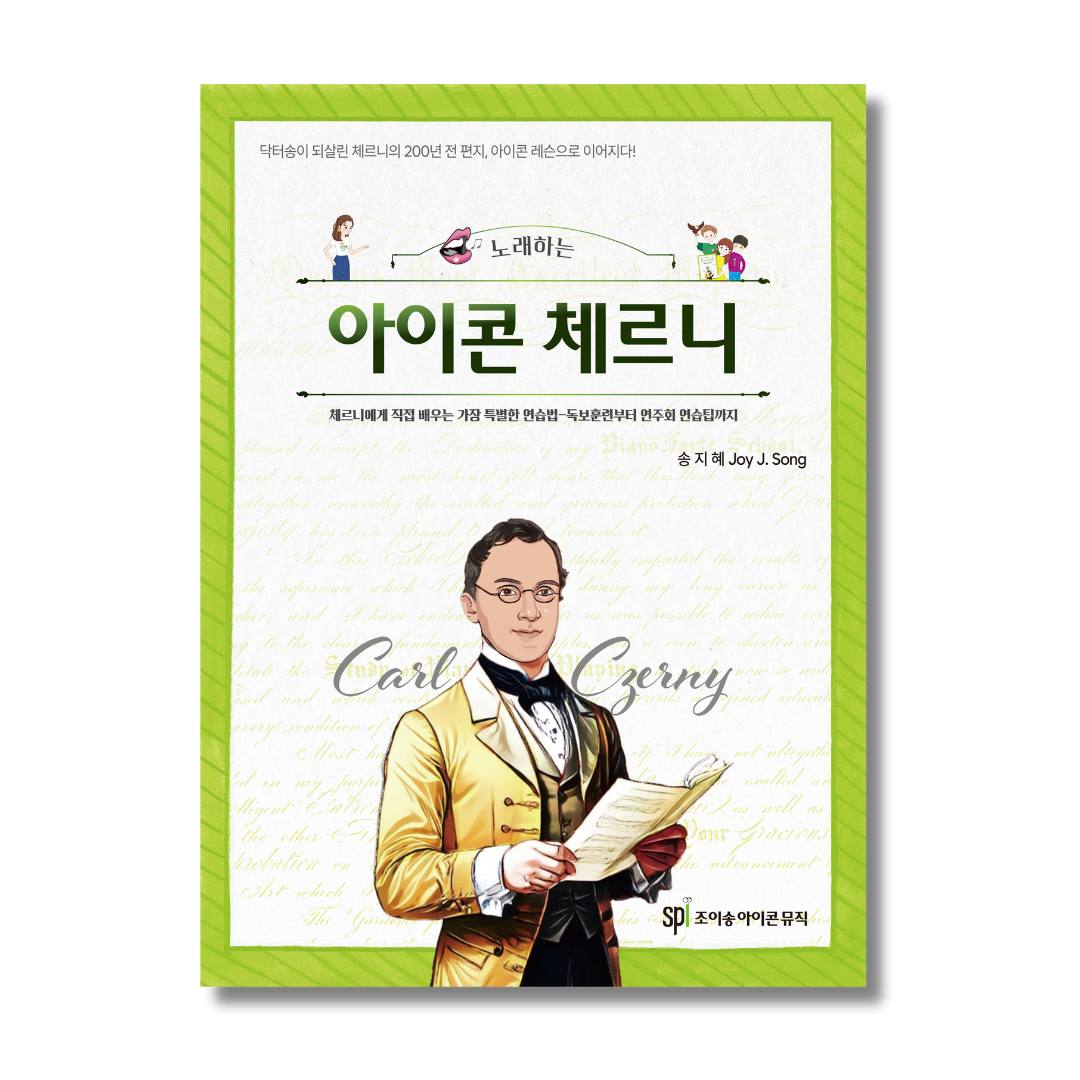 아이콘 체르니 (한글판) * SPi 특별정회원은 할인쿠폰 적용가능합니다. (한글판 한정) * 영문판(25.99$) 구매 안내 - 영문판은 달러로 구매 가능하며, 달러 결제가 어려우시거나 한국에서 받아보실 분들은 010-7484-7553으로 문의 주세요. - 영어 아이콘체르니 교본은 SPi특별정회원 30%할인이 불가합니다$ ¥ ¥ 25,000 원 ₫ € KRW
-
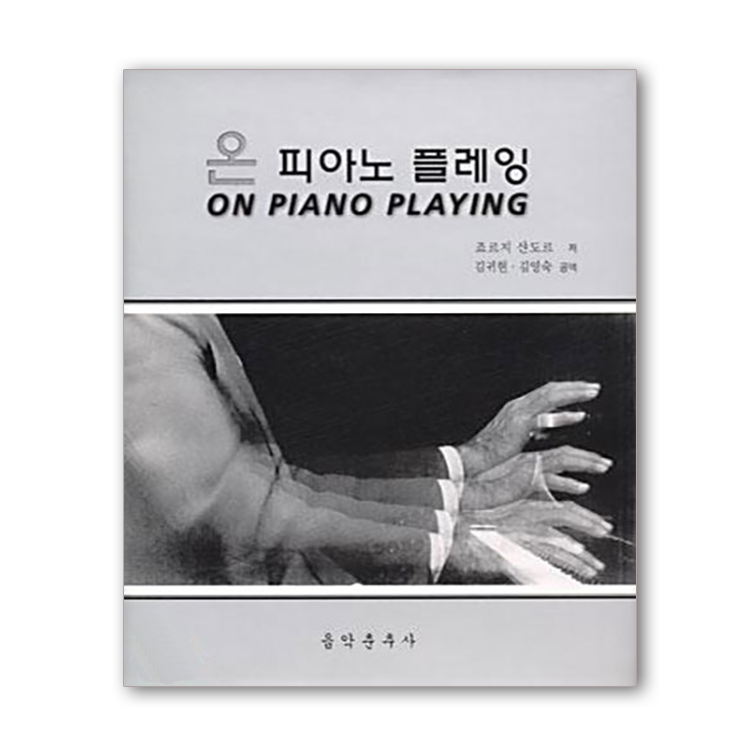 온피아노 플레잉 죠르지 산도르 / 김귀현, 김영숙 저 음악춘추사 ※ 해외에서 구매하실 경우 구매대행료가 추가됩니다. 📚 현재 보유 수량에 한해 판매합니다 《온피아노 플레잉》은 현재 추가 입고가 어려워 보유하고 있는 소량의 도서에 한해 판매하고 있습니다. 시중에서 새 책을 구하기 쉽지 않은 도서로, 현재 남아 있는 재고 역시 귀하게 확보된 수량입니다. 장기간 보관된 도서 특성상 표지의 미세한 스크래치, 눌림, 모서리 손상, 변색 등 상태가 일정하지 않을 수 있습니다. ※ 출판사 품절로 추가 확보가 어려운 도서인 점을 감안하여, 도서의 상태보다는 책의 내용과 활용을 목적으로 구매하시는 분들께 권해드립니다.$ ¥ ¥ 25,000 원 ₫ € KRW
-
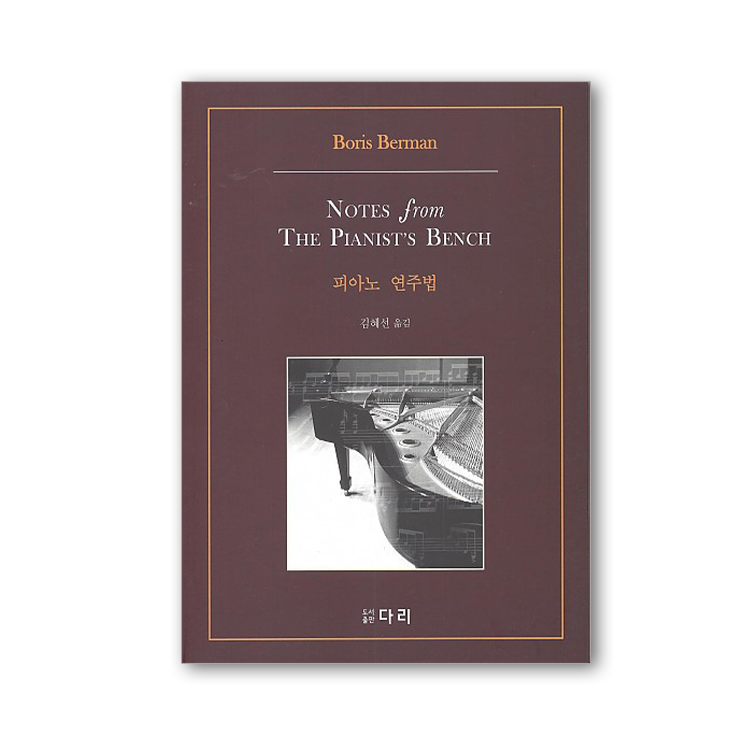
-
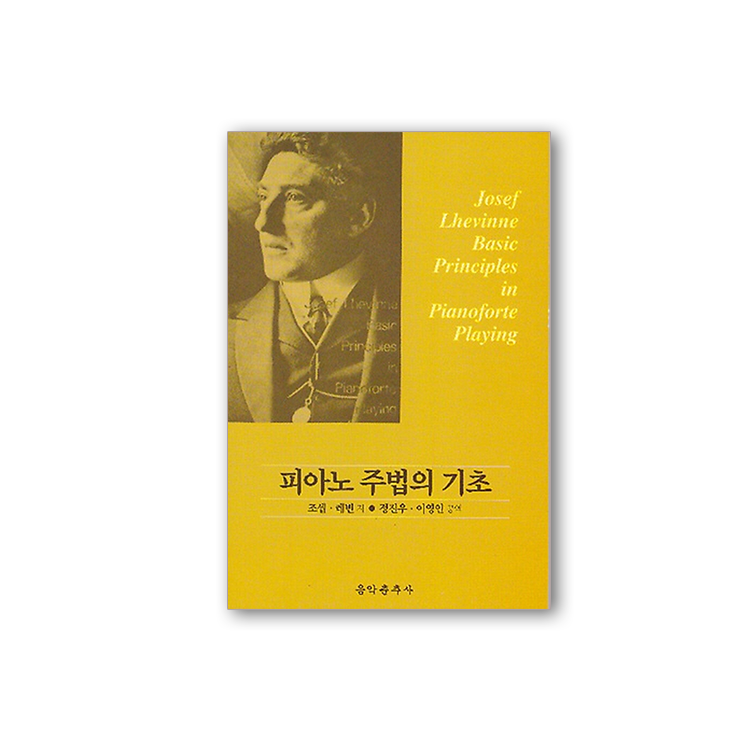
-
-
-
-